InTheLes.Studio makes author-driven animation and short films. The portfolio covers different genres and techniques, from dramatic stories to experimental and comedic animation. Every project is carried from idea and script through to the final frame, sound and edit.
SELECTED WORK / 04
Projects inside the field
Project facts paired with moving image and render material from the studio archive.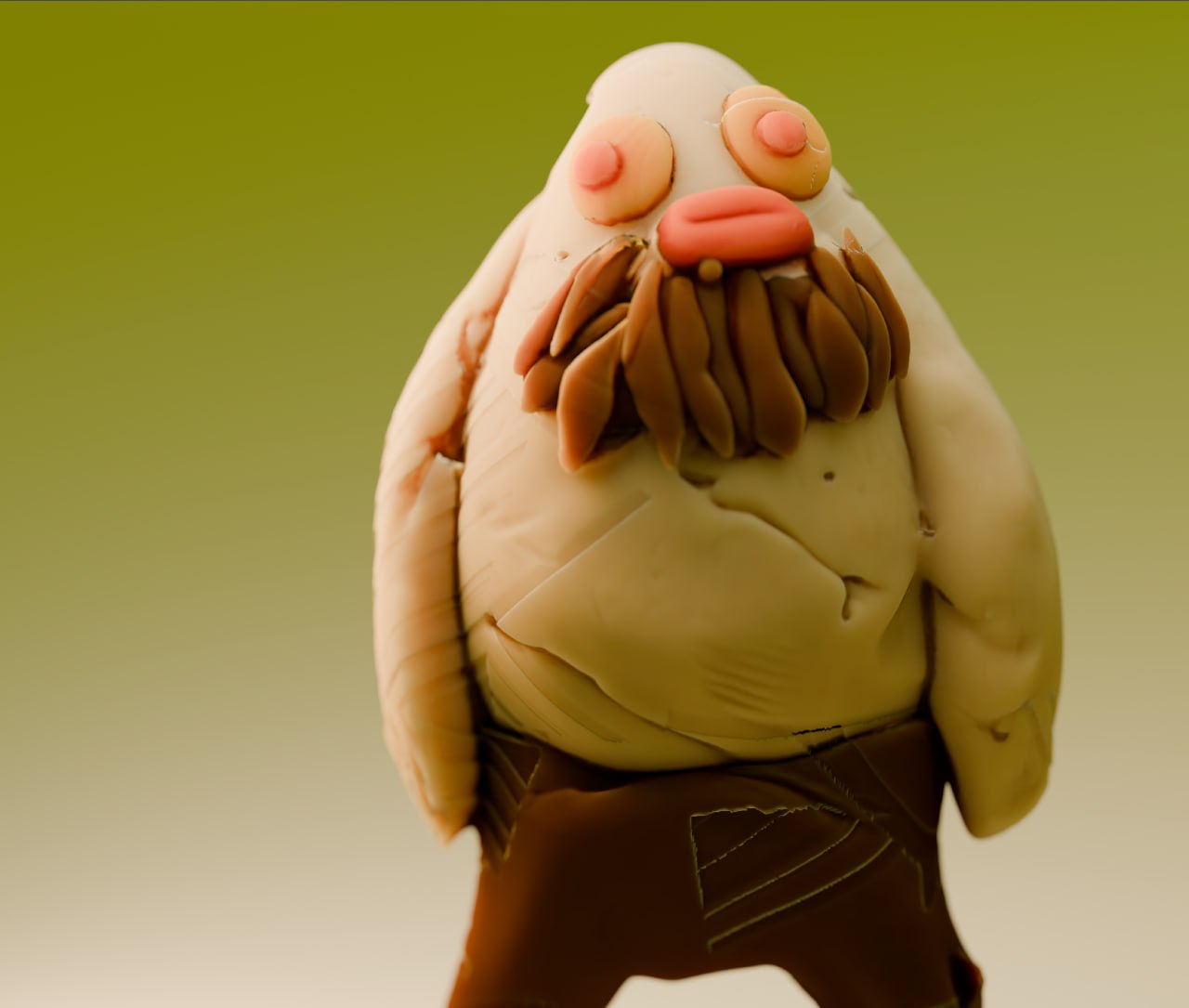
01 / Film / 3D character
KUROKUR
- PROBLEM
- The character had to keep the feel of hand-modelled plasticine without leaving the 3D scene.
- NOW
- A clay-look character built in Blender: the handmade texture of plasticine carried by a 3D asset.
- ROLE
- Film, character and 3D in Blender.
- TOOLS
- Blender
02 / 3D / procedural environments
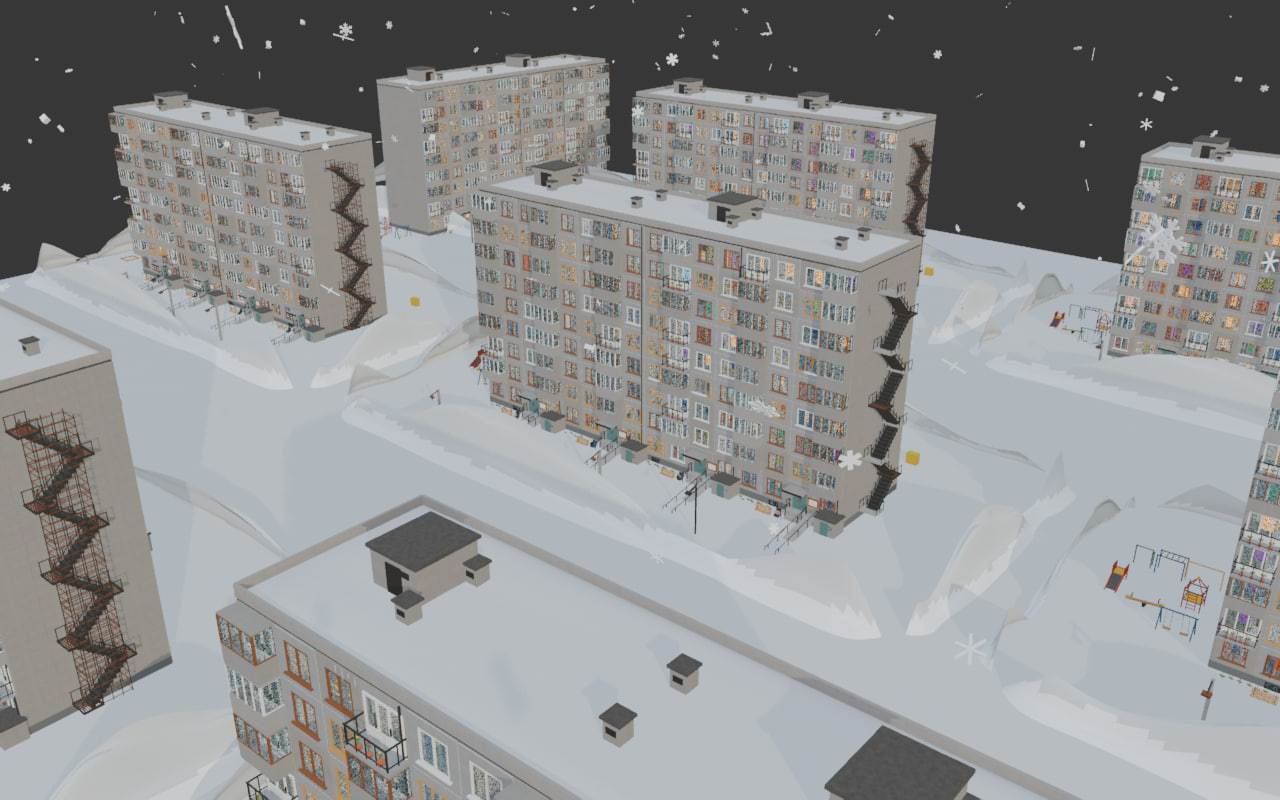
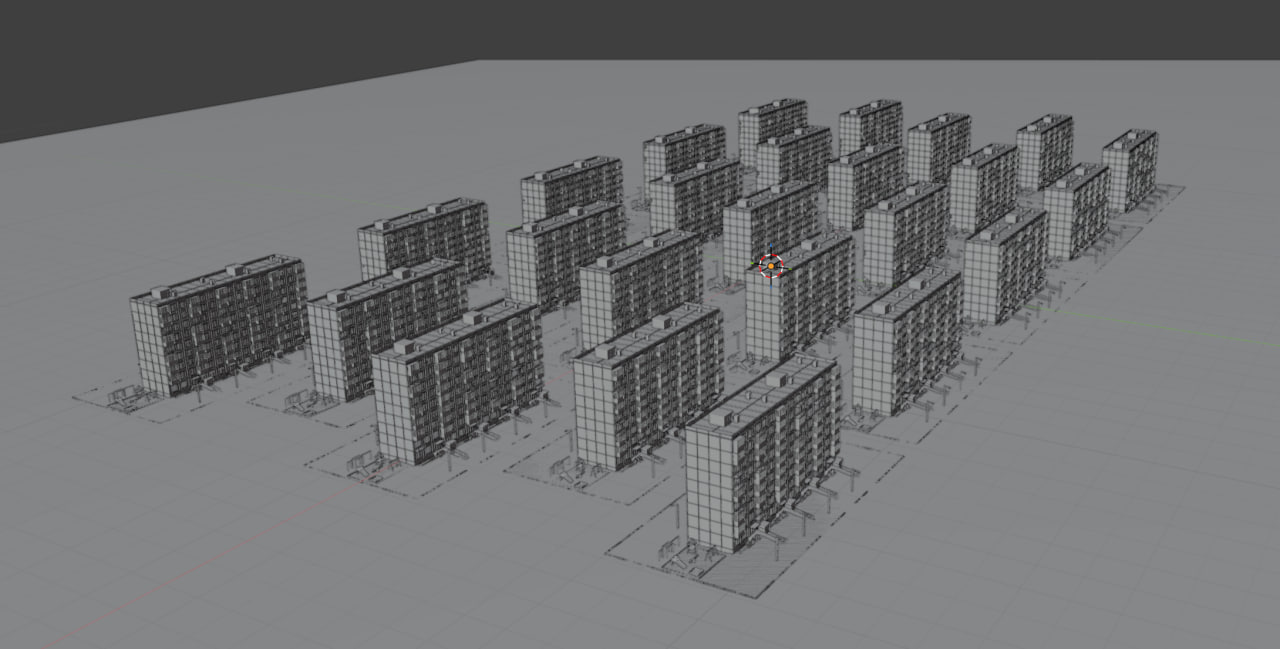
LUCID Panelka Generator
- PROBLEM
- A district could not be rebuilt by hand for every shot, note or late change. The environment had to stay controllable at the scale of a film.
- NOW
- A reproducible system generates buildings, courtyards and city-scale variation from parameters, while keeping the world editable and art-directable.
- ROLE
- Procedural world-building, production tooling, environment states and art-directable variation.
- TOOLS
- Blender / Python / Geometry Nodes
03 / Blender / production tool
LES.Organ
- PROBLEM
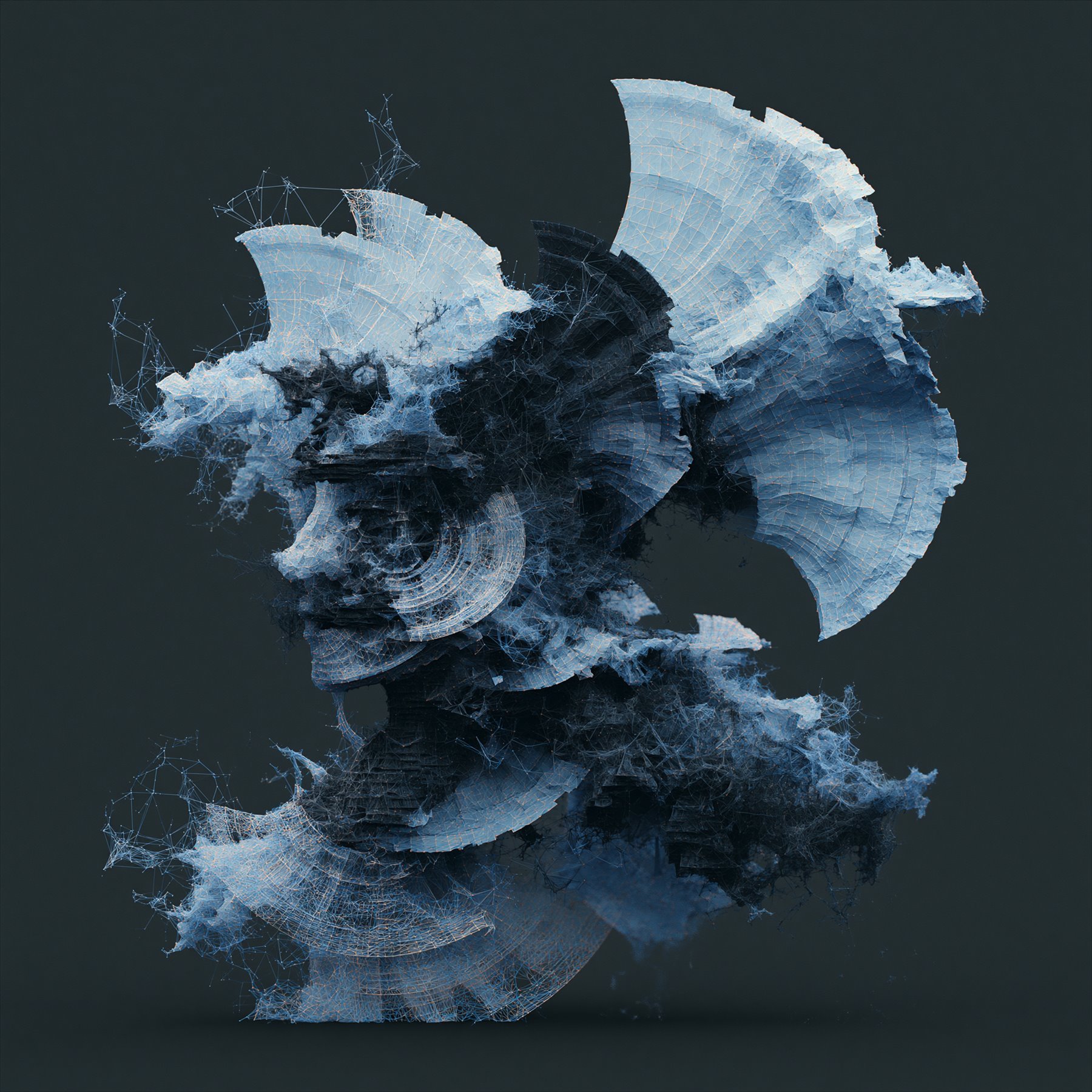
- A film needed real internal anatomy and a camera able to move through it. There was no production-ready route from CT and MRI datasets into the Blender scene.
- NOW
- The obstacle became a Blender add-on: non-standard data could become usable scene material instead of a dead end in the pipeline.
- ROLE
- Workflow design, add-on development and non-standard data integration.
- TOOLS
- Blender / Python / CT / MRI data
04 / Game production / cutscenes
MORIII / Pathologic 3
- PROBLEM
- Physically plausible character animation still needed to arrive intact in scene assembly and camera work.
- NOW
- The hand-off between Cascadeur and Blender became a dependable production chain rather than a one-off workaround.
- ROLE
- Animation workflow, cross-application hand-off, scene assembly and cameras.
- TOOLS
- Cascadeur / Blender
STUDIO ARCHIVE / 02
Moving-image studies
Selected film renders from the studio archive.FIELD NOTESRead the complete studio notes+
KUROKUR — an animated short comedy. Denny Delito and Karton.
An eccentric story about a courier from a poultry factory, around whom a chain of comic events unfolds towards an unexpected ending. The lead is a moustached character with a plasticine look, built in 3D in Blender.
Genre — comedic animation. Format — animated short. Technique — 3D in Blender, plasticine-look character.
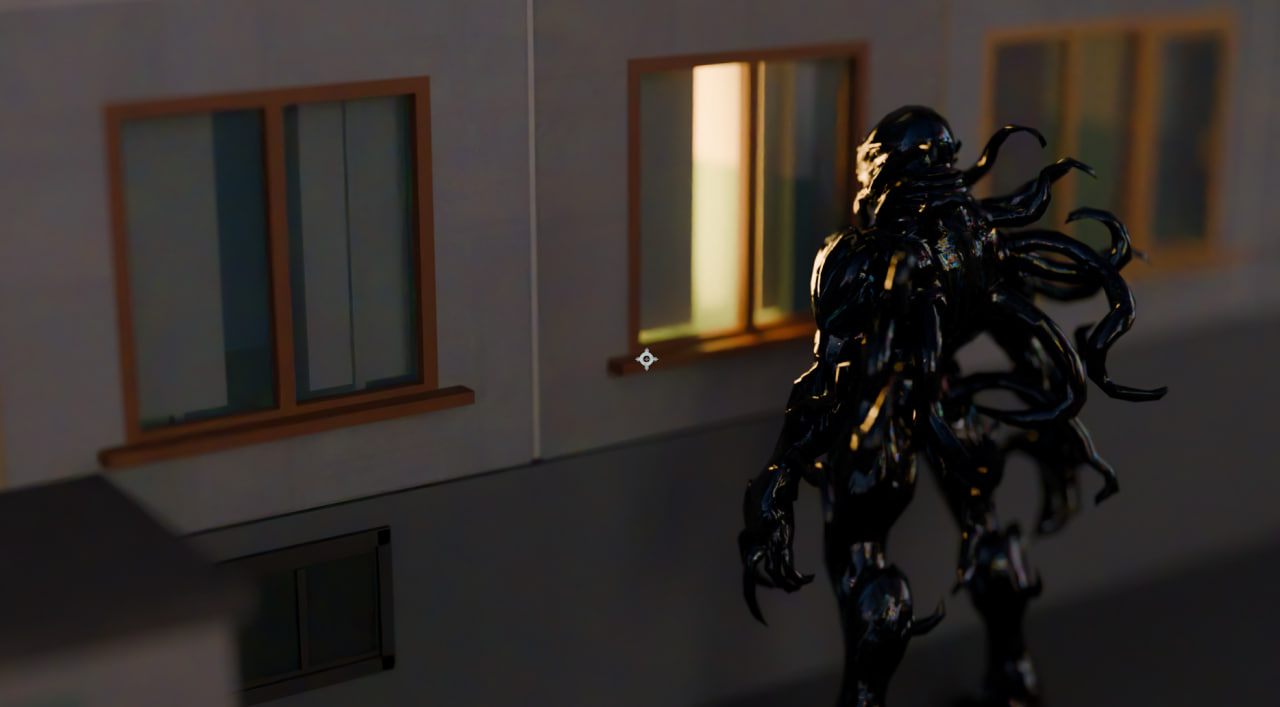
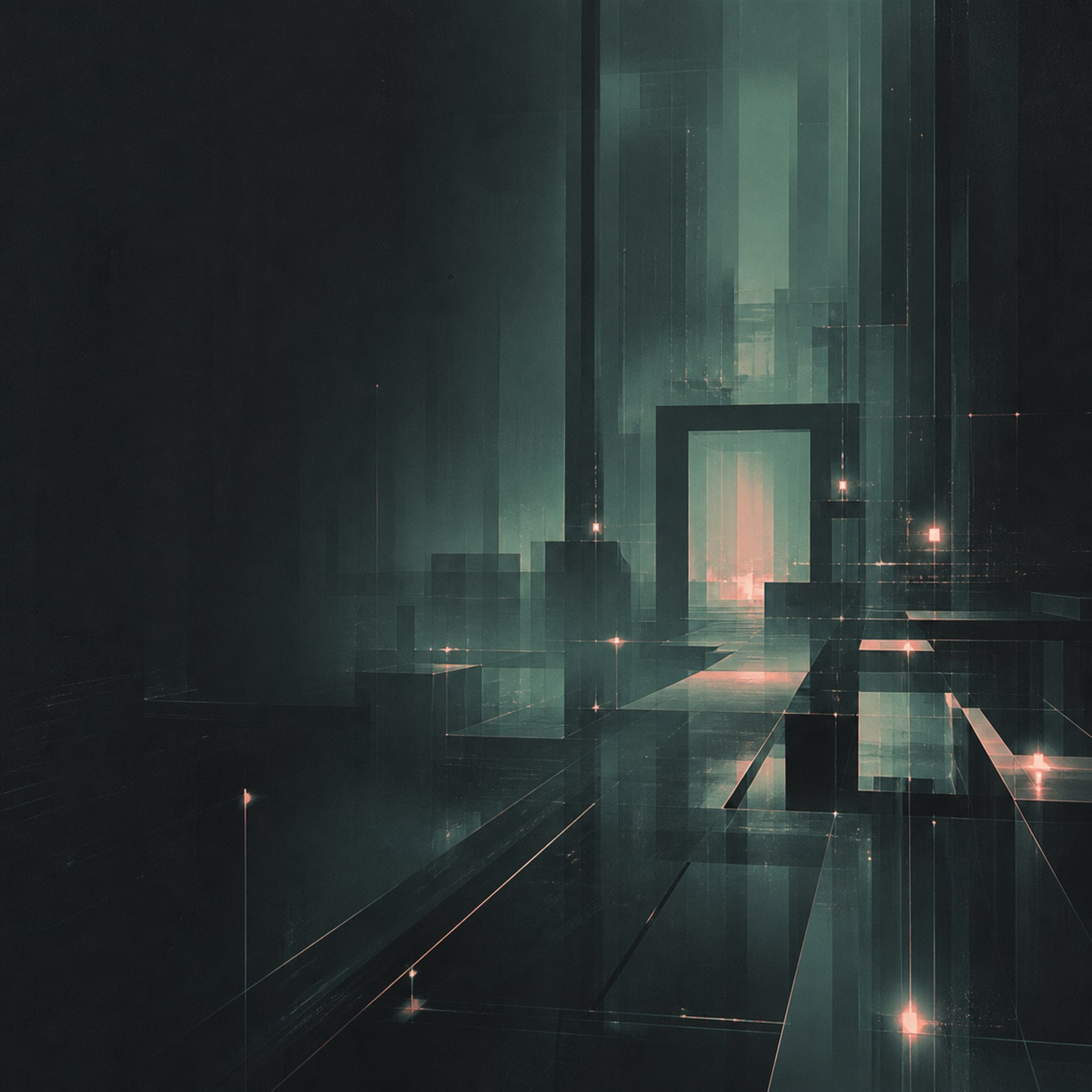
For the world of LUCID the environment itself became production infrastructure. LUCID Panelka Generator assembles the district a shot needs — layout, building forms, floor counts, courtyards, interiors — and keeps it art-directable through parameters rather than manual construction.
Construction animation, movement in the windows, snow, destruction, lighting states and X-Ray mode are states of the same world. An Infinite Camera Pool carries long camera movement through continuously generated environment, and a Seed with coordinates returns the same district in the same form on the next shot.
The same film needed real internal anatomy and a camera able to move inside it. Nothing existing covered that, so LES.Organ grew: a Blender add-on that brings real CT and MRI datasets into the scene as production material. A first version runs against a test head dataset.
On MORIII / Pathologic 3 the cutscene work ran as a chain: Cascadeur for weight and physically plausible character motion, Blender for scene assembly, cameras and further production work.
YOU BRING
Tasks people arrive with
Real briefs from the work below — the shape of a first message, not a form.
- 01
The character had to keep the feel of hand-modelled plasticine without leaving the 3D scene.
- 02
A district could not be rebuilt by hand for every shot, note or late change. The environment had to stay controllable at the scale of a film.
- 03
A film needed real internal anatomy and a camera able to move through it. There was no production-ready route from CT and MRI datasets into the Blender scene.
FIRST STEP
Start with what you know.
Four questions, and what comes back: what we would take, and which part we would start with.- 01What are we making?
- 02What should it do or change?
- 03What already exists?
- 04Timing, format or constraints?
ANSWER THE FOUR PROMPTSOpens a short email brief+
PROJECT CHANNEL / 04
Start a conversation
Tell us what you are making, what the work needs to do, and where it needs to go.
Bird@InTheLES.studio↗