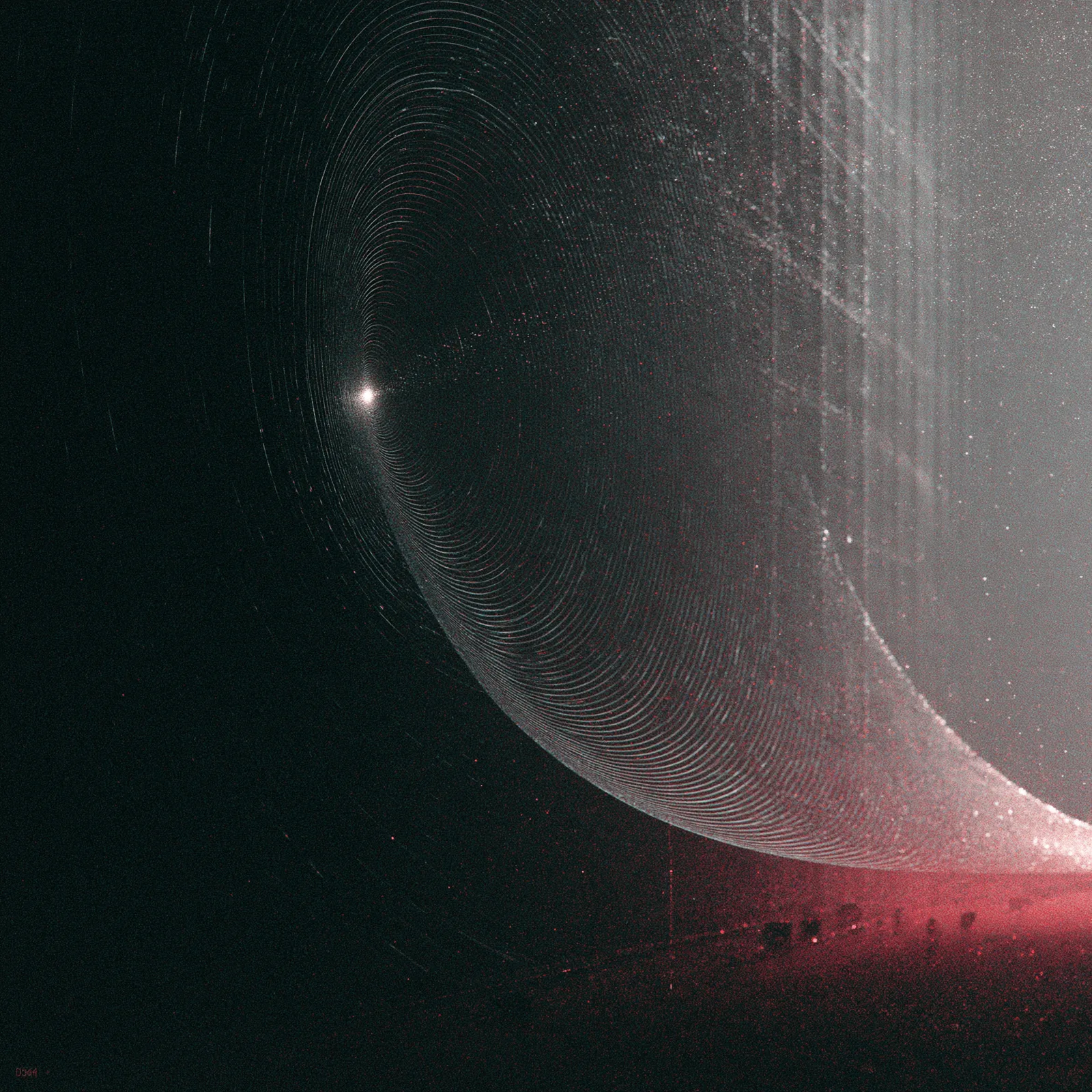
LES.SOUND explores music, sound design and audiovisual perception. It is the area where sound is treated as material for building a world, not as decoration applied at the end.
When a sound is decided early it shapes the cut, the pacing and sometimes the image itself. The work that matters here is the work where image and sound are built as one thing rather than one being laid over the other afterwards.
SELECTED WORK / 02
Projects inside the field
Project facts paired with moving image and render material from the studio archive.01 / Music + generative image / audiovisual piece
OPET ONI
- PROBLEM
- Music and image had to arrive as one piece, not a track with a video attached to it afterwards.
- NOW
- An audiovisual work led by the music: Midjourney supplied the first visual matter and Luma carried it into motion.
- ROLE
- Music: OPET ONI. Visual production: Midjourney image generation and Luma animation.
- TOOLS
- Midjourney / Luma
02 / Sound / audio opera
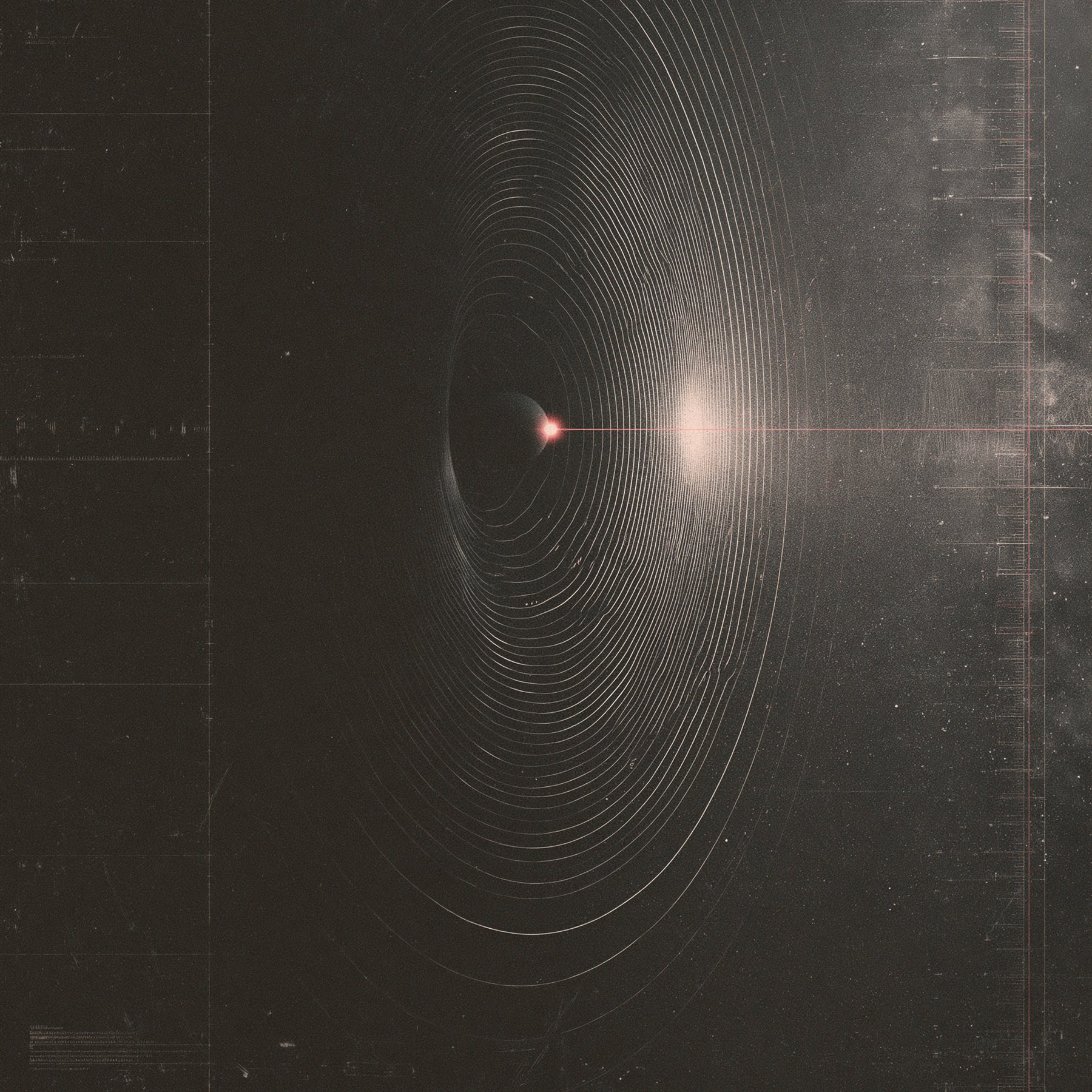
CYBERHOO AUDIO OPERA / ACT I
- PROBLEM
- A voice-led piece had to be built where the composition and the code are the same object.
- NOW
- An audio opera in Web Audio: two voices carried by speech synthesis, subsonic mass underneath, and kick, sub and noise generated programmatically rather than sampled.
- ROLE
- Music, sound design and audiovisual composition.
FIELD NOTESRead the complete studio notes+
CYBERHOO AUDIO OPERA / ACT I — “Digitizing the Soul” is the clearest example of how far that goes. It runs 3:10 at 120 BPM and is built in Web Audio: two voices carried by speech synthesis, subsonic mass underneath, and the kick, sub and noise generated programmatically rather than sampled. The composition and the code are the same object.
OPET ONI is an audiovisual music project. Its supplied piece pairs the music with generative imagery created in Midjourney and animated in Luma.
Sound here also has a technical half. Audio-reactive and MIDI-driven systems run inside the generative work, and the XR side carries HRTF spatial audio, so that a sound has a position in a volume rather than a place in a mix.
Instruments and tools: Ableton, Arturia KeyLab MkII, guitar, looper, harmonica and voice, alongside Web Audio, speech synthesis and programmatic synthesis.
The distinguishing thing is not genre. It is that sound, code and image are not separate departments here — the same practice that builds a generative visual system builds the audio that reacts to it.
YOU BRING
Tasks people arrive with
Real briefs from the work below — the shape of a first message, not a form.
- 01
Music and image had to arrive as one piece, not a track with a video attached to it afterwards.
- 02
A voice-led piece had to be built where the composition and the code are the same object.
FIRST STEP
Start with what you know.
Four questions, and what comes back: what we would take, and which part we would start with.- 01What are we making?
- 02What should it do or change?
- 03What already exists?
- 04Timing, format or constraints?
ANSWER THE FOUR PROMPTSOpens a short email brief+
PROJECT CHANNEL / 09
Start a conversation
Tell us what you are making, what the work needs to do, and where it needs to go.
Bird@InTheLES.studio↗